
Visitation is the best way for pastor to learn
Visitation is the best way for the shepherd to learn of the particular needs of the flock. Yet it does take wisdom and a…
 Practical application of Pentecostal theology in politics, economy and social issues

Visitation is the best way for the shepherd to learn of the particular needs of the flock. Yet it does take wisdom and a…
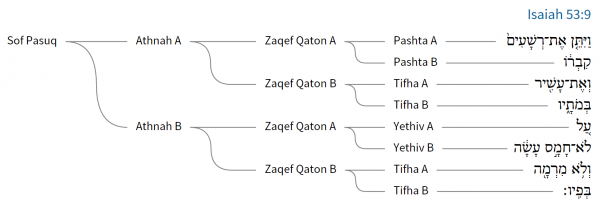
Isaiah 53:9 says, “וַיִּתֵּ֤ן אֶת־רְשָׁעִים֙ קִבְרֹ֔ו וְאֶת־עָשִׁ֖יר בְּמֹתָ֑יו עַ֚ל לֹא־חָמָ֣ס עָשָׂ֔ה וְלֹ֥א מִרְמָ֖ה בְּפִֽיו׃(Westminster Leningrad Codex)
“Violence not Because in his death the rich and with his engrave the wicked with And he made in his mouth (was any) deceit neither he had done.”(Interlinear)
I am not a Hebrew Scholar, but my understanding, as well as the common translations say that בְּמֹתָ֑יו is singular, yet the BDB lists the יו as being plural.
If my assumption is correct, then why was בְּמֹתָ֑יו(death) translated Singular, and what would this passage mean if it were understood in the plural?

“THE SHACK” “For where jealousy and selfish ambition exist, there is disorder and every evil practice.” (James 1:16) Driving home yesterday, I was listening…

Timothy Carter [10/26/2015 7:44 PM]The Bible said he walked away sorrowful Charles Page [10/26/2015 7:45 PM]can’t you be saved and still sorrowful? Charles Page…

“Because I”m Yours, I Walk the Line” Dr. Steve Yamaguchi channels a famous 16th Century French Country and Western singer, Jean Cauvin. Performed at…
207) More on Daniel’s 70th week and the Jews – Finis J. Dake (GPFM Lesson 40)

208) The Key to the Interpretation of Revelation and the divisions of the Book – Finis J. Dake (GPFM Lesson 41)

Apostolic Relevance or a New Apostolic Reformation?

Biblical eLearning (http://biblicalelearning.org) presents: Dr. Roger Green on American Christianity Dr. Roger Green has a Ph.D. in theology from Boston College, and a D.D….

I’m excited about this one! The Jewish Annotated New Testament Although major New Testament figures–Jesus and Paul, Peter and James, Jesus’ mother Mary and…

Made up Rules about Prophesying: Part 1: It Must be Confirmation. I spent my teen years in the A/G and I often heard prophesying,…

Many commentators note that the lineage of Cain in Genesis 4 is followed by a genealogy of Seth in Genesis 5 and compare the two lines, treating Cain’s line as godless and Seth’s line as godly. This particularly appears, for …