
Click to join the conversation with over 500,000 Pentecostal believers and scholars
| PentecostalTheology.com
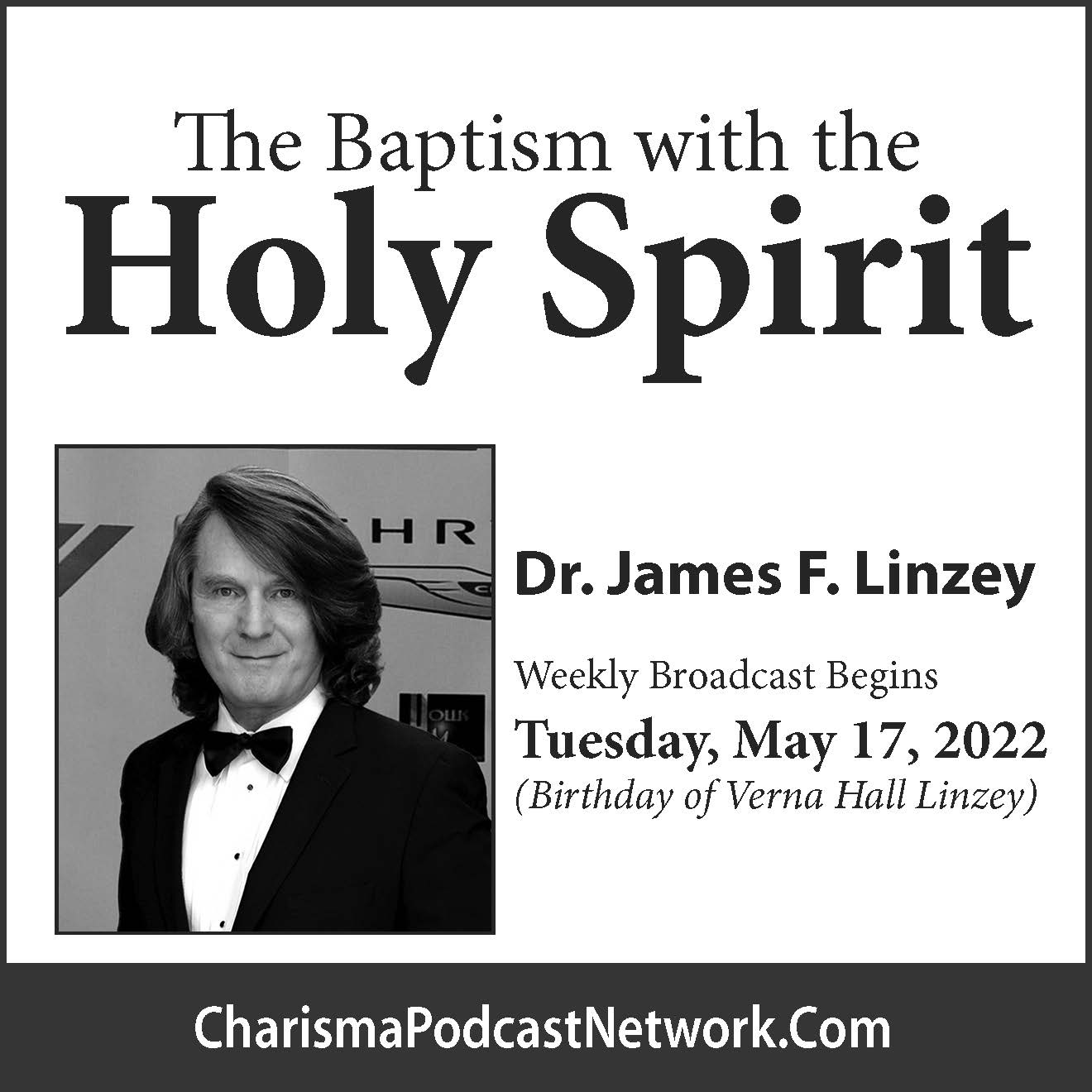
I invite you to join me for Bible teaching on The Baptism with the Holy Spirit, with a new episode each Tuesday.
This series of broadcasts on the CharismaPodcastNetwork.com began airing on May 17, 2022, the birthday of my mother, the late Dr. Verna Hall Linzey.

Anonymous
Does he preach with hair that makes him look like a woman?
“Does not the very nature of things teach you that if a man has long hair, it is a disgrace to him,”
1 Corinthians 11:14
Anonymous
Philip Williams Exactly correct.
Anonymous
This guy is the chief editor of the Modern English Version.
Anonymous
Bruce Gordon yeah hence the post I dont like MEV per se that much but the fact that Philip Williams dont even know who this is 🙂
Anonymous
Troy Day a Bapticostal expert on the Holy Spirit.