
Click to join the conversation with over 500,000 Pentecostal believers and scholars
| PentecostalTheology.com
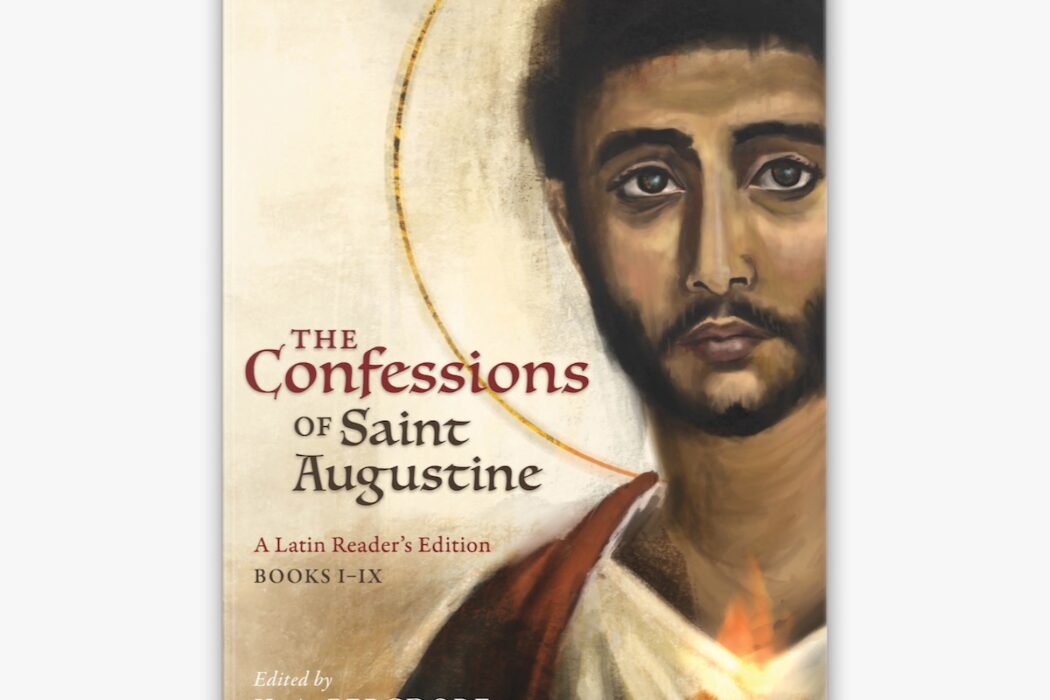
Saint Augustine of Hippo stands as an unequivocally preeminent figure in the annals of Christian thought, arguably unparalleled in his foundational contributions to theology among post-apostolic authors. His intellectual and spiritual legacy has profoundly shaped the trajectory of Western Christianity, solidifying his indispensable position within the vast panorama of church history. Over centuries, his extensive corpus of writings has provided a bedrock for diverse theological traditions, influencing subsequent generations of scholars, mystics, and ecclesiastics alike. While Augustine’s prolific output encompasses a wide array of polemical, exegetical, and systematic theological treatises, which meticulously articulated doctrines ranging from original sin and predestination to the nature of the Trinity and the Church, his literary corpus is not solely confined to abstract theological discourse. His profound engagement with philosophical questions and biblical interpretation yielded texts that remain cornerstones of Christian doctrine and Western intellectual history. Indeed, alongside these weighty doctrinal works, Augustine gifted posterity with a remarkably intimate and introspective narrative: *The Confessions*. Far from a mere biographical account, this seminal work blends autobiography with profound philosophical and theological reflection, chronicling Augustine’s tumultuous spiritual journey from intellectual skepticism and moral dissipation to his eventual conversion and fervent devotion to God. It is in *The Confessions* that the reader encounters not only a brilliant mind grappling with universal human questions of faith, sin, and grace, but also a soul laid bare in its quest for truth and peace. The enduring appeal of *The Confessions* lies in its candid exploration of the human condition and its timeless articulation of the struggle for spiritual enlightenment. This deeply personal yet universally resonant narrative provides a crucial counterpoint to his more formal theological expositions, offering a unique window into the lived experience that informed his profound doctrinal insights. The contemporary availability of this foundational text in formats such as audiobooks underscores its persistent relevance and accessibility, allowing a new generation of readers to engage with Augustine’s compelling journey and his unparalleled contributions to Christian thought.


Gray Watson
While the article praises Saint Augustine’s contributions to Christian theology, it is essential to examine his views critically. Augustine’s ideas, particularly concerning original sin and predestination, have sparked significant debate among theologians. According to Pew Research, a substantial number of Christians do not subscribe to these doctrines, suggesting that Augustine’s interpretations are not universally accepted within Christianity (Pew Research Center). Furthermore, some scholars argue that Augustine’s teachings reflect influences from Gnostic thought rather than orthodox Christian beliefs (Pentecostal Archives). This raises questions about the validity of labeling his work as foundational for all Christians. In conclusion, while Augustine’s influence is acknowledged, the article may oversimplify the complexity of theological debates surrounding his work and inadvertently promote a narrative that could be considered misleading or even heretical in certain contexts.