
Click to join the conversation with over 500,000 Pentecostal believers and scholars
| PentecostalTheology.com
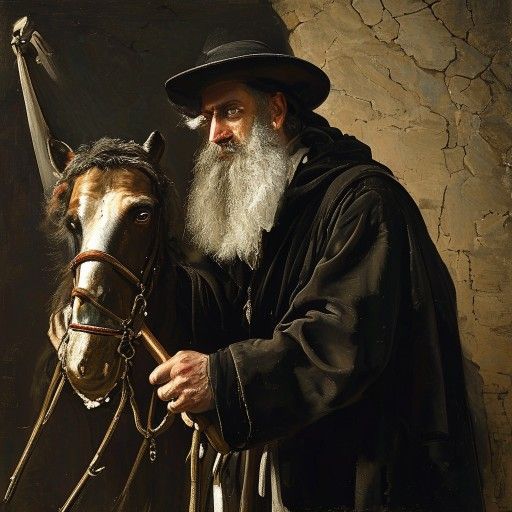
The biblical instruction recorded in Luke 19:30, where Jesus directs his disciples to retrieve a specific colt “that has never been ridden,” serves as a pivotal moment in the narrative leading up to his Triumphal Entry into Jerusalem. This seemingly simple command carries profound theological and prophetic weight, underscoring both divine foreknowledge and the deliberate fulfillment of ancient messianic expectations. The precise details provided by Jesus, down to the animal’s untamed nature, highlight a meticulously orchestrated event designed to convey significant meaning to his contemporary audience and to subsequent generations. This command is not arbitrary but rather a direct fulfillment of Old Testament prophecies concerning the arrival of the Messiah. Primarily, it echoes Zechariah 9:9, which declares, “Rejoice greatly, Daughter Zion! Shout, Daughter Jerusalem! See, your king comes to you, righteous and victorious, lowly and riding on a donkey, on a colt, the foal of a donkey.” Additionally, earlier allusions such as Genesis 49:11, concerning Jacob’s prophecy about Judah tying “his donkey’s colt to the choice vine,” contribute to the rich tapestry of messianic anticipation. The choice of a donkey, particularly a colt, rather than a warhorse, signifies a king of peace and humility, a stark contrast to the typical regal displays of earthly conquerors, yet it simultaneously asserts his rightful, divinely appointed sovereignty. The explicit detail that the colt had “never been ridden” is particularly significant. In ancient Near Eastern cultures, animals designated for sacred purposes or those to be ridden by royalty or divine figures were often required to be unburdened, untouched, or unused. This characteristic symbolized purity, exclusivity, and a consecration to a singular, elevated purpose, making the animal uniquely suitable for a sacred task. For Jesus, riding a colt that had never been ridden highlights his unique status and sacred authority, ensuring that the animal was unblemished and solely dedicated to his use for this momentous occasion, thereby reinforcing his divine identity and the sanctity of his messianic mission. The significance of this event is further corroborated across the synoptic Gospels (Matthew 21:2, 5, 7; Mark 11:2, 4-5, 7; Luke 19:30, 33, 35; John 12:14), each emphasizing key aspects of the prophecy and the divine arrangement. While minor variations exist, such as Matthew’s mention of two animals, the core message remains consistent: Jesus’s entry was a preordained act of messianic self-disclosure. The meticulous precision of Jesus’s instructions and their subsequent fulfillment vividly illustrate divine sovereignty and underscore the intentionality behind his presentation as the promised King. This event thus marks a crucial juncture, publicly affirming his messianic identity in a manner that was both humble and undeniably authoritative, setting the stage for the climactic events of Holy Week.

Troy Day
CAN YOU explain this to our @followers please ?
William DeArteaga
Troy Day No idea. sorry.
Gary Edgar
That it had never been rode or bound by a yoke
Richard Pack
The borrower had to reassure the owner (or anyone asking) that the animal was needed for a specific, temporary purpose and would be sent back immediately.
Mark Boversky
The post’s assertion of “meticulous orchestration” surrounding Jesus’s triumphal entry, particularly regarding the unridden colt, relies on an overly literalistic and anachronistic interpretation of biblical prophecy that risks theological misdirection. While Zechariah 9:9
Troy Day
dont think this is it yall @followers
Steven Hirmer
Who cares, old superstitions like all religions