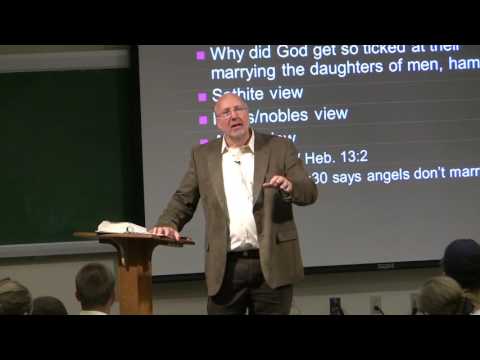
Dr. Ted Hildbrandt: Who are the Sons of God in Genesis 6
Biblical eLearning (http://biblicalelearning.org) presents: Dr. Ted Hildebrandt on the Old Testament Survey. Ted earned his M. Div. and S.T. M. from Biblical Theological Seminary….
 Practical application of Pentecostal theology in politics, economy and social issues
Biblical eLearning (http://biblicalelearning.org) presents: Dr. Ted Hildebrandt on the Old Testament Survey. Ted earned his M. Div. and S.T. M. from Biblical Theological Seminary….

There is an old question on Christianity.SE which I suggested that it should also be asked here – since we don’t migrate OLD questions. In doing so, I noticed that the OP hasn’t been really active and I suspect that it will never be asked here. With that said:
Genesis 24:2 NIV
One day Abraham said to his oldest servant, the man in charge of his household, “Take an oath by putting your hand under my thigh.
Genesis 47:29 NIV
As the time of his death drew near, Jacob called for his son Joseph and said to him, “Please do me this favor. Put your hand under my thigh and swear that you will treat me with unfailing love by honoring this last request: Do not bury me in Egypt.
Leviticus 7:33 NIV
The right thigh must always be given to the priest who offers the blood and the fat of the peace offering.
Is this a translation concern? What do they REALLY mean?
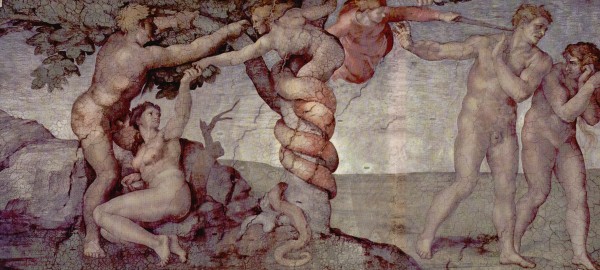
For the past three years I have studied the garden story intensely. After all it has become the foundation of our western thought and…
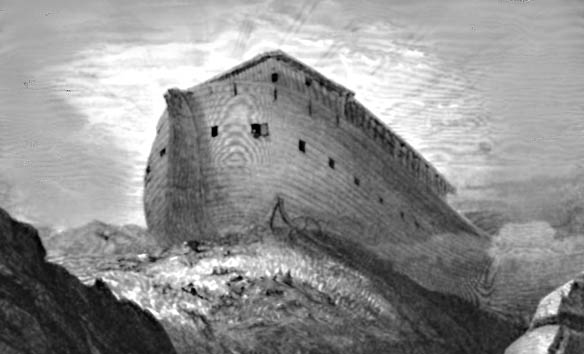
Many commentators note that the lineage of Cain in Genesis 4 is followed by a genealogy of Seth in Genesis 5 and compare the two lines, treating Cain’s line as godless and Seth’s line as godly. This particularly appears, for …
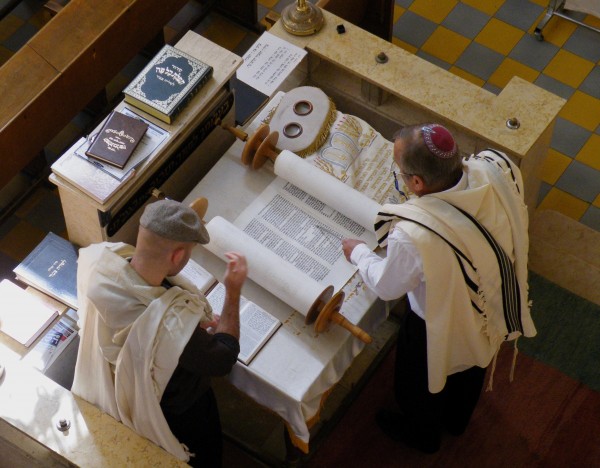
When you think about it the book of Genesis underpins most of the theology that we adhere to today. So this week I have…

In Genesis 4:19-22, we read a short account of some of Cain’s decendents:
Lamech married two women, one named Adah and the other Zillah. Adah gave birth to Jabal; he was the father of those who live in tents and raise livestock. His brother’s name was Jubal; he was the father of all who play stringed instruments and pipes. Zillah also had a son, Tubal-Cain, who forged all kinds of tools out of bronze and iron. Tubal-Cain’s sister was Naamah.
It’s noticeable right away that this line is very inventive. They’re seemingly credited for:
Possibly also the line is the first to build a city (Cain v. 17) and take two wives (Lamech, v. 19).
Given that the line starts with Cain who murdered his brother and who lives under a curse, and ends in this section with Lamech who is also a murderer, what is the author’s purpose in noting the inventions that came from Cain and his decendents? Is the author trying to somehow ameliorate their reputation? Or perhaps tarnish the their inventions by linking them to their character? Simply recording the history of a few items? Or something else?
The account of the first six days of creation as found in Genesis 1 is highly stylized, though with variations. For instance, each day ends, “And there was evening, and there was morning—the (n)th day.”
One variation that jumps out pertains to the statement, “And God saw that it was good.” This phrase is present on each of the first six days, except that it is peculiarly absent on the second day. I do note that on the third day this statement appears twice, with its first appearance being after what feels like a continuation of the separation of waters begun on the second day. It’s absence is conspicuous enough, though, that it feels intentional on the part of the author. But what was the author trying to convey here? Why omit this otherwise repeated refrain?
Genesis 11:31 states: וַיִּקַּ֨ח תֶּ֜רַח אֶת־אַבְרָ֣ם בְּנ֗וֹ וְאֶת־ל֤וֹט בֶּן־הָרָן֙ בֶּן־בְּנ֔וֹ וְאֵת֙ שָׂרַ֣י כַּלָּת֔וֹ אֵ֖שֶׁת אַבְרָ֣ם בְּנ֑וֹ וַיֵּצְא֨וּ אִתָּ֜ם מֵא֣וּר כַּשְׂדִּ֗ים לָלֶ֙כֶת֙ אַ֣רְצָה כְּנַ֔עַן וַיָּבֹ֥אוּ עַד־חָרָ֖ן וַיֵּ֥שְׁבוּ שָֽׁם׃: “And Terah took Abram his son, and Lot the son of Haran his grandson, and Sarai his daughter-in-law the wife of Abram his son; and they left together from Ur Kasdim to travel to the land of Canaan and they came until Charan and they dwelled there.”
My question is why was Terah heading towards Canaan? There had not yet been any commandment for Abram to go to Canaan and Canaan was not yet the “holy land.” Nor was Canaan their home country or a place where they had relatives.
I can think of an answer to this question based the Jewish Oral Tradition. Is there a way to explain Terach’s attempt to travel to Canaan based solely on the text?
The ESV renders Genesis 31:42 like so (emphasis mine):
If the God of my father, the God of Abraham and the Fear of Isaac, had not been on my side, surely now you would have sent me away empty-handed. God saw my affliction…
There seems to be some significance to the east in the Scriptures.
The garden is planted in the east of Eden
Cherubim are stationed on the east side of the Garden of Eden
Parts of the burnt offering are to be thrown to the …
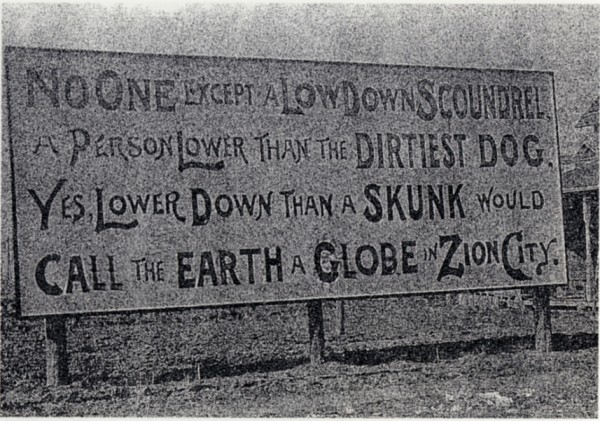
My (literal) thoughts on Genesis 1. Genesis 1:1-2 was presented prior to the active creation of the natural world. The foundation laid in these…