
Mat 7:6 Do not give what is holy
Mat 7:6 “Do not give what is holy to the dogs; nor cast your pearls before swine, lest they trample them under their feet,…
 Practical application of Pentecostal theology in politics, economy and social issues
Mat 7:6 “Do not give what is holy to the dogs; nor cast your pearls before swine, lest they trample them under their feet,…
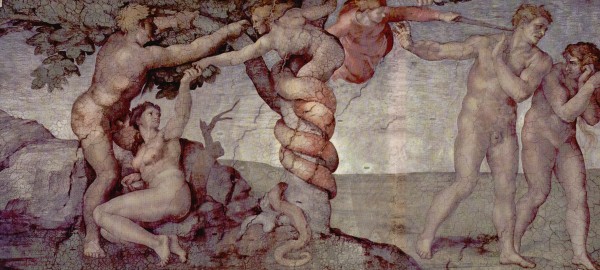
For the past three years I have studied the garden story intensely. After all it has become the foundation of our western thought and…

http://www1.cbn.com/cbnnews/cwn/2017/february/right-to-share-the-gospel-at-risk-in-trial-of-british-preachers?cpid=:ID:-17895-:DT:-2017-02-22-14:33:12-:US:-TW1-:CN:-CP1-:PO:-NC1-:ME:-SU1-:SO:-FB1-:SP:-NW1-:PF:-IM1- Three British street preachers will appear before a British court Thursday charged with public order offenses for preaching the gospel and offending bystanders.
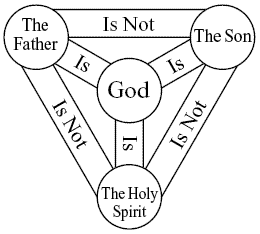
How do (and should) we deal with Pentecostal oneness as a Trinitarian Pentecostal since we share together very similar spiritual experiences? Comment!
The revelation of Evangelical Theology is attributed to Christ! The revelation of Evangelical Theology is attributed to Christ! But the revelation of Evangelical Theology…
Our book is available NOW in both paperback and kindle versions! #Amazon This short but powerful volume addresses the important role of sanctification in…

THEY THAT WAIT UPON THE LORD SHALL RENEW THEIR STRENGTH! :::::::::::::::::::::::::::::::::::::::: [THIS IS WHAT HAPPENED ONE YEAR AGO TODAY: The Lord blessed me with…

There is a popular theory among Pentecostals and others that at the rapture, all the children of the world will be taken away with…
“Know that the LORD, HE IS GOD! It is HE WHO MADE US, and WE ARE HIS; we are his people, and the sheep…
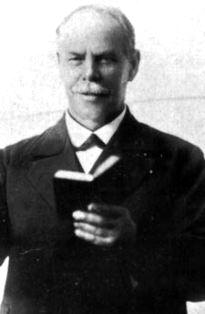
SMITH WIGGLESWORTH BAPTIZED BOTH WAYS. FATHER , SON , AND HOLY SPIRIT, AND SOMETIMES IN JESUS NAME. HE DID’NT KNOW ANYTHING BUT THE BIBLE…
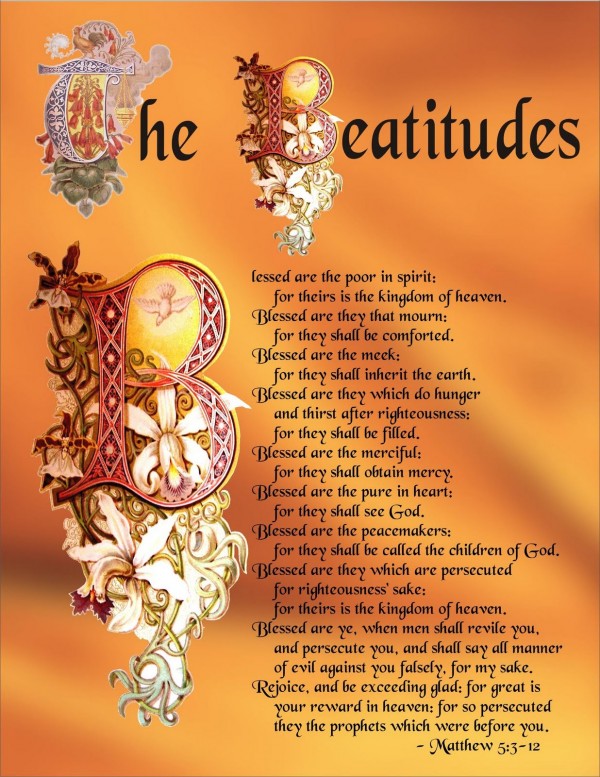
“As he went along, he saw a man blind from birth. His disciples asked him, “Rabbi, who sinned, this man or his parents, that…
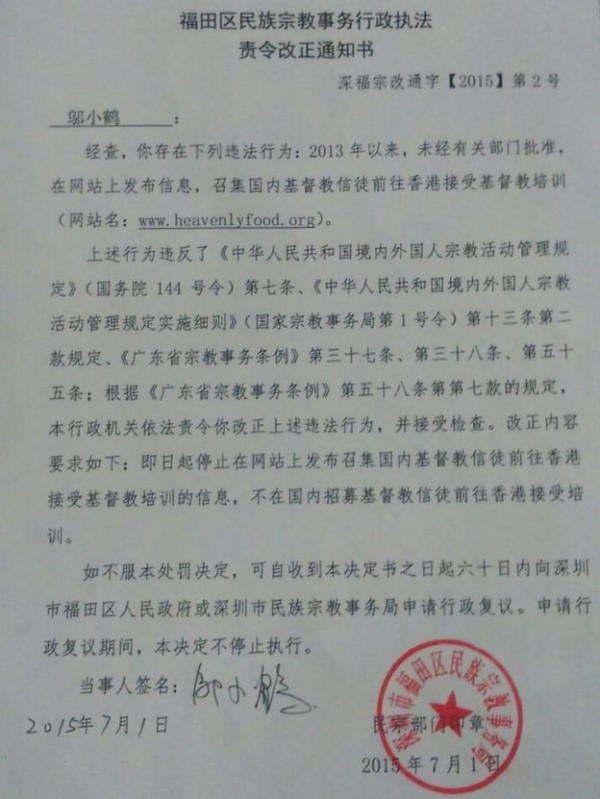
I would be surpirsed that if the top 100 “evangelists” with the biggest mailing list have led someone to Christ outside of a church…