
Click to join the conversation with over 500,000 Pentecostal believers and scholars
| PentecostalTheology.com
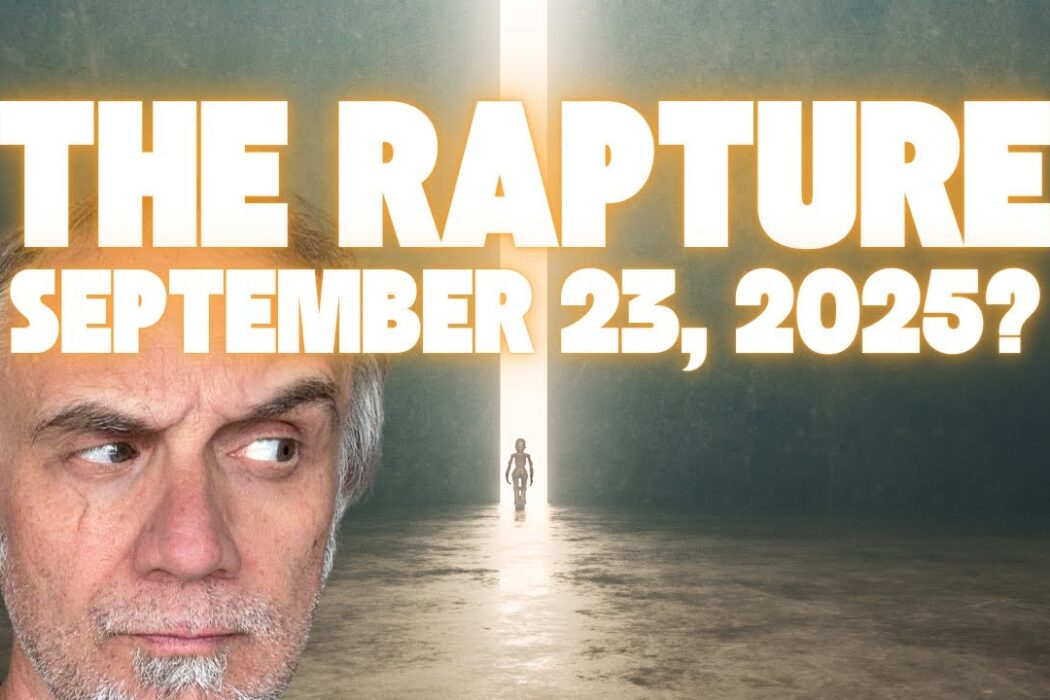
There are circulating viral prophecies, particularly a recent one from South African pastor Joshua Mhlakela, claiming the rapture will occur on or around September 23rd, 2025, coinciding with the Jewish Feast of Trumpets (Rosh Hashanah). However, biblical teachings, such as Matthew 24:36, state that the exact day or hour of the Lord’s return is unknown, making specific date predictions invalid. While the Feast of Trumpets’ association with the sound of a trumpet in biblical accounts has fueled these predictions, numerous past failed attempts to predict the rapture’s date and interpretations of current events have led to widespread skepticism and concern about the potential negative impact on faith.
The Viral Prediction
The Claim: A viral prophecy from Pastor Joshua Mhlakela suggests Jesus will return for the rapture on September 23-24, 2025, following a vision.
The Timing: This date aligns with Rosh Hashanah, the Jewish Feast of Trumpets, which is linked to prophetic biblical events involving trumpets.
Why This Prediction is Invalid
Unknown Date: The Bible explicitly states in Matthew 24:36 that no one knows the day or hour of the Lord’s return.
Past Failed Predictions: Throughout history, many specific dates for the rapture have been predicted and have failed, demonstrating the danger of fixating on specific dates.
Biblical Emphasis on Readiness: Instead of predicting a date, the Bible advises believers to be in a constant state of spiritual preparation, living as if the Lord could come at any time, like a thief in the night.
What to Keep in Mind
Don’t Panic: While global events and astronomical occurrences are sometimes used to support these predictions, they do not guarantee a specific date for the rapture.
Focus on Faith: Rather than focusing on viral predictions, believers are encouraged to focus on their spiritual readiness and a sound understanding of biblical teachings.
Distinguish Between Prophecy and Prediction: The focus should be on preparedness and vigilance, not on specific dates for the return of Christ.
I have heard almost every Christin creator online say that they are almost 100% certain that the rapture is going to happen on September 23rd this year.
I brought up the “No one knows the day or the hour” argument, until someone said that the verse was taken out of context and is actually talking about when Jewish rabbis referred to Yom Teruah as the “feast where no one knows the day or the hour,” because people literally had to watch for the new moon’s appearance in order for it to happen. So people think Jesus may have been alluding to the Feast of Trumpets when He used that phrase, not the return of Christ. So apparently the Feast of Trumpets is sometimes called the “day and hour no one knows” because its start depended on eyewitness confirmation of the new moon appearing, which could have been at any time within those days.
Any insight on this from anyone? It’s all over social media.


Paul D.
I mean, it’s not really any sillier than Pentecostal doctrine in general.
Francis Shepherfield
First, Paul D’s statement — “it’s not really any sillier than Pentecostal doctrine in general” — is dismissive, HE is wrong and he confuses fringe speculation with core doctrine. Predicting a rapture date like September 23, 2025 is speculation. Core Pentecostal doctrine, however, is rooted in historic Christian beliefs: salvation through Christ, the authority of Scripture, baptism in the Spirit, gifts of the Spirit, and holiness of life. Lumping mainstream doctrine together with an isolated prediction is a category mistake.
Second, this misrepresents Pentecostalism. Pentecostal doctrine is not built on setting dates. In fact, many Pentecostal leaders strongly warn against it, citing Jesus’ words: “No one knows the day or the hour” (Matthew 24:36). To imply that all Pentecostal teaching is “silly” because some speculate about prophecy is inaccurate and unfair.
Third, it shows intellectual inconsistency. If we measure a belief system by its most extreme or speculative interpretations, every Christian tradition (and frankly every worldview) could be dismissed as “silly.” A more honest critique should distinguish between central doctrines and peripheral excesses.
Finally, Paul D overlooks the theological weight of Pentecostalism. Pentecostalism is the fastest-growing Christian movement worldwide, shaping global Christianity in missions, worship, and community life. To dismiss it wholesale as “silly” ignores the lived faith and transformative impact it has on hundreds of millions.
I find it quite troubling that people are so quick to accept these predictions without grounding them in solid biblical doctrine. The claim that the rapture will occur on September 23rd, 2025, is not only unfounded but also goes against the very teachings of scripture, specifically Matthew 24:36 which states clearly that ‘no one knows the day or hour’ of the Lord’s return. This is a critical point often overlooked by those spreading these viral predictions. The Pew Research Center has highlighted that while many individuals express a strong belief in prophetic events, the misinterpretation of scripture can lead to unnecessary anxiety and confusion among believers (Pew Research Center). Furthermore, this fixation on specific dates has historically led to numerous failed predictions, ultimately causing disillusionment within the Christian community (Pentecostal Archives).
It is crucial to remember that Jesus emphasized preparedness over prediction; we should be living with an attitude of readiness rather than obsessing over when He might return. This aligns with a sound theological understanding of eschatology and emphasizes faithfulness in our daily lives rather than speculative timelines. Thus, claims like those made by Pastor Mhlakela are not just misguided but could be seen as veering towards gnostic theology and heresy since they distort fundamental biblical truths for sensationalism. In conclusion, such assertions should be treated with skepticism as they represent false news rather than authentic prophetic insights.
Mark Boversky
When someone like Paul Dingley says “Pentecostal doctrine in general” is as silly as a fringe date-prediction, they’re committing an obvious logical fallacy: overgeneralization. You can’t treat a minor prophetic speculation the same as the foundational beliefs of a major Christian movement. It’s like saying “all scientists are wrong” because one scientist made a bad prediction; it’s unfair, sloppy, and paints with too broad a brush.
Pentecostalism isn’t some fringe hobby Paul Dingley loves to hate — it’s one of the fastest-growing segments of Christianity with deep roots, serious theology, and millions of believers. To dismiss all of it as “silly” shows either ignorance or dismissiveness of a movement that shapes worship, mission, social justice, and personal meaning for many. It’s not a trivial thing to mock.
Doctrine is built on careful exegesis, tradition, theological reflection, and accountability. Speculative date setting is almost always speculative—it’s not doctrine. By treating them as equivalent, Paul D undermines the difference between well-established teaching vs conjecture. That’s dangerous, because it encourages people to distrust doctrine altogether when they see error in speculation—even when doctrine is solid
This article is fundamentally flawed and misleading. The assertion that the rapture will occur on September 23, 2025, is a clear violation of biblical scripture. Matthew 24:36 explicitly states that no one knows the day or hour of the Lord’s return. This prediction undermines the very teachings of Christianity, as it promotes a sensationalized view of prophecy that distracts believers from their true spiritual obligations. Furthermore, history is replete with failed predictions regarding the rapture, leading to disillusionment and skepticism among believers (Pew Research Center). Such claims serve only to propagate confusion and fear rather than fostering genuine faith. Additionally, the argument suggesting that ‘no one knows the day or hour’ refers to Yom Teruah lacks scholarly support and confuses traditional Jewish practices with Christian eschatology (Christianity.com). These interpretations often resemble gnostic theology, where personal revelations take precedence over established doctrine. Ultimately, this text perpetuates false news and heretical views rather than aligning with sound biblical teachings.
Gray Watson
This article is misleading and demonstrates a troubling trend in contemporary Christian discourse. The author attempts to debunk the prophecy by citing Matthew 24:36, which indeed states that no one knows the day or hour of the Lord’s return. However, this does not address the contextual interpretation of biblical feasts and their significance, which many theologians argue are pivotal in understanding prophetic timelines (Pew Research). Dismissing the Feast of Trumpets as merely a Jewish tradition overlooks its deep-rooted biblical significance and the spiritual implications for believers (Christianity.com). Furthermore, by labeling such prophecies as false news and heretical, the article disregards a growing body of scholarship that suggests a more nuanced understanding of prophecy and its fulfillment. This dismissal can lead to spiritual complacency among believers when they should remain vigilant in their faith practices. Instead of fostering readiness, it cultivates skepticism about genuine spiritual experiences and insights from modern prophets like Mhlakela. Overall, the article fails to provide a comprehensive view of the theological debates surrounding prophecy today and inadvertently promotes a gnostic theology that undermines communal faith narratives.